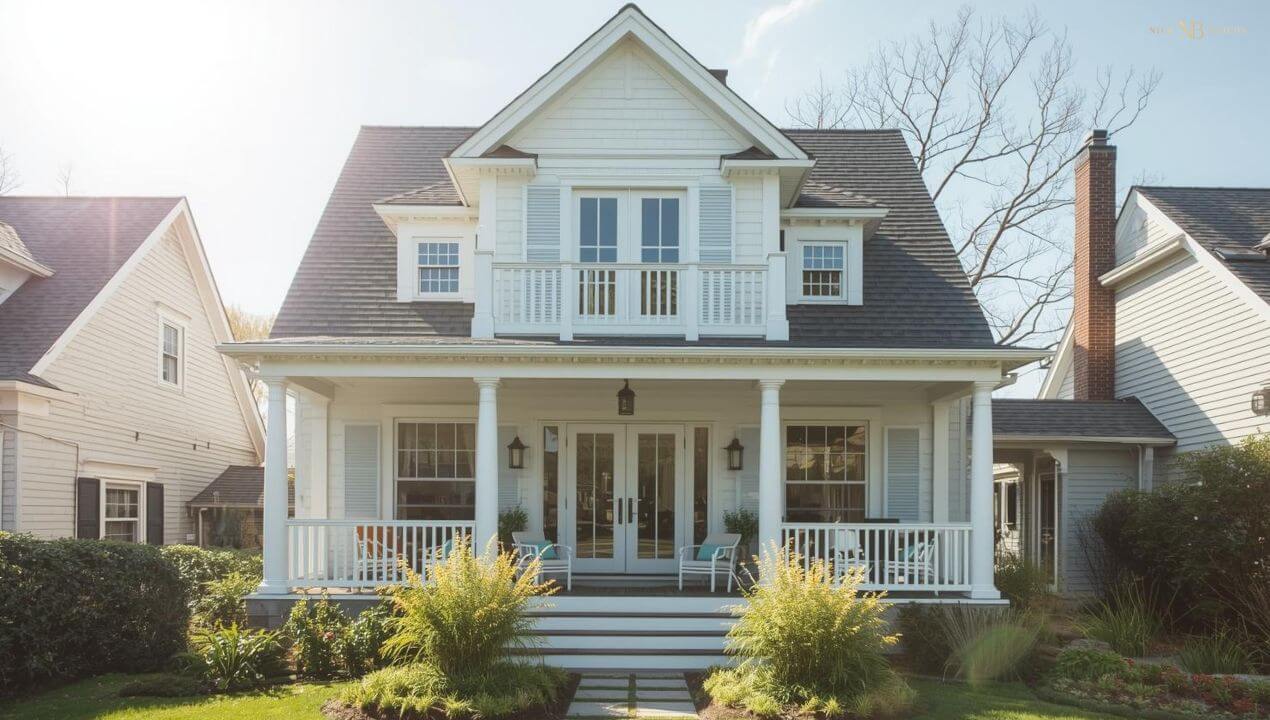
Coastal living in the Hamptons brings beach access, waterfront views, and a distinctive seasonal rhythm, but it also requires year-round preparation. Wind, heavy rain, flooding, erosion, power loss, and blocked roads can affect homes far beyond the shoreline. A storm-readiness plan should be part of regular property care, not a task saved for the day a forecast turns serious.
For buyers comparing locations, a Southampton NY real estate agent Maria Cunneen can provide a useful local perspective on property use, second-home planning, seasonal rentals, and investment considerations. The Cunneen Team is a Hamptons-focused real estate group serving communities including Southampton, Westhampton Beach, Quogue, Remsenburg, and Hampton Bays, with experience helping clients evaluate primary homes, second homes, rental opportunities, and long-term real estate goals in the western Hamptons.
Why Coastal Homes Need a Different Checklist
A coastal property can face more than one type of risk during the same storm. High winds may damage roofs, siding, trees, and outdoor structures. Heavy rainfall can overwhelm drainage areas and create inland flooding. Salt air can accelerate wear on exterior materials, while storm surge and large waves may affect roads, dunes, utilities, and nearby access points.
Even a house that is not directly on the ocean may have flood exposure. For example, a homeowner might install shutters and secure patio furniture, yet overlook a low driveway, a clogged drainage swale, or the possibility that the only access road could become impassable. A complete plan considers the house, the surrounding land, and the route in and out of the neighborhood.
Start With a Property Risk Review
Before storm season, or before making an offer on a coastal property, conduct a careful review of the home and its setting. A listing description and a quick showing cannot replace professional inspections or local due diligence.

- Check the home’s elevation and identify where water naturally flows after heavy rain.
- Inspect the roof, gutters, siding, windows, doors, foundation, and exterior vents.
- Look for low spots near the home, garage, basement entry, pool area, or driveway.
- Ask whether nearby roads, bridges, or driveways have flooded during past storms.
- Remove dead limbs and inspect mature trees near structures and utility lines.
- Review the age and condition of the electrical panel, heating system, sump pump, and backup generator.
Buyers should also ask for records of major repairs, permits, prior water intrusion, drainage work, and storm-related damage when available. An inspector, engineer, insurance professional, or qualified contractor may identify concerns that are not obvious during a standard walkthrough.
Check Flood Maps, Evacuation Information, and Alerts
Flood zones and evacuation areas are practical details, not paperwork to review after a problem occurs. Check the property’s flood designation, identify the local evacuation zone, and learn which roads are most likely to close during severe weather. Seasonal residents should save this information in print as well as on their phones.
Households can use Ready.gov to build an emergency plan, prepare a supply kit, and think through evacuation arrangements before officials issue an order. If a property is used as a rental, owners should make sure guests know where to find emergency contacts, flashlights, shutoff valves, and basic safety instructions.
Build a Simple Home Protection Plan
Many of the most useful preparation steps can be completed well before a storm watch is issued. Regular maintenance can reduce preventable damage and make the recovery process easier to document.
- Clean gutters, drains, window wells, and exterior drainage channels.
- Test shutters, storm panels, garage doors, exterior locks, sump pumps, and backup power systems.
- Bring in furniture, grills, planters, umbrellas, decorations, and loose equipment.
- Store important documents in a waterproof container or secure digital location.
- Take current photos of every room, major appliance, valuables, roof areas, and exterior features.
- Keep contractor, property manager, insurer, and utility contact information in more than one place.
Review Insurance Before the Forecast Changes
Insurance should be reviewed when there is time to ask questions, not when a storm is already approaching. Standard homeowners policies may not cover every type of flood damage, and windstorm or hurricane deductibles can differ from the primary deductible.
Confirm whether flood insurance is separate, whether detached structures and personal property have appropriate coverage, and whether the insured value reflects the home’s current condition and replacement needs. Coverage for landscaping, boats, pools, fences, and rental use may also have limits. A licensed insurance professional should answer policy-specific questions.
Plan for Power Loss and Limited Access
Coastal residents should be prepared for several days without normal utility service, internet access, fuel availability, or road access. Keep drinking water, shelf-stable food, medication, flashlights, batteries, first-aid supplies, pet supplies, and charging banks on hand. Fuel vehicles before severe weather arrives, and never operate a generator indoors or near windows, doors, or vents.
A seasonal homeowner may return after a storm to find a damaged fence, no power, limited cell service, and delayed contractor availability. A printed contact list, a small emergency kit, and a trusted local caretaker can make that situation far more manageable.
What Buyers Should Ask Before Purchasing a Coastal Home
- Has the property experienced flooding, wind damage, or other storm-related repairs?
- Are flood, wind, and homeowner’s insurance available at a workable cost?
- How does the site handle heavy rain, snowmelt, and high groundwater?
- Are there restrictions affecting drainage, grading, bulkheads, decks, or additions?
- Are private roads, shared driveways, septic systems, or wells involved?
- Which upgrades have been completed, and were permits obtained where required?
The goal is not to reject every home with coastal exposure. It is essential to understand the actual condition, recurring costs, insurance needs, access limitations, and future maintenance responsibilities before moving forward.
Use Official Storm Information and Follow Safe Reentry Guidance
Social media can be useful for neighborhood updates, but official instructions should guide major decisions. The National Hurricane Center explains hazards that can accompany tropical systems, including storm surge, heavy rainfall, flooding, high winds, rip currents, and tornadoes.
- Follow official warnings, evacuation orders, and local emergency management instructions.
- Leave early when an evacuation is ordered, rather than waiting for road conditions to worsen.
- Do not drive through floodwater or around barriers.
- Wait for official direction before returning to an affected area.
- Avoid downed wires, standing water, unstable trees, and visibly damaged structures.
A 30-Day Storm Readiness Schedule
- 30 days out: Review insurance, flood exposure, evacuation routes, and major maintenance needs.
- 14 days out: Test generators and pumps, inspect shutters, trim trees, and replace expired supplies.
- 7 days out: Photograph the property, confirm emergency contacts, and secure loose outdoor items.
- 48 hours out: Charge devices, fuel vehicles, protect documents, and monitor official updates.
- After the storm: Document damage safely, contact the insurer, save receipts, and update the plan.
Common Questions About Storm-Ready Coastal Homes
What should be checked first?
Start with flood exposure, evacuation access, roof condition, drainage, insurance coverage, emergency power, and trees near the structure.
Does every coastal home need flood insurance?
Requirements and risks vary by property. Homeowners should discuss separate flood coverage with an insurance professional, since flood risk can exist away from the immediate shoreline.
How can seasonal residents prepare from a distance?
Use water and temperature alerts, retain a trusted local caretaker, keep current property photos, and create a written inspection plan for storms and outages.
Conclusion
A storm-ready coastal home is built on steady maintenance, accurate information, good records, and a practical plan for both evacuation and recovery. By reviewing flood exposure, drainage, insurance, utilities, access, and property condition before storm season, Hamptons homeowners and buyers can make calmer, better-informed decisions when severe weather approaches.