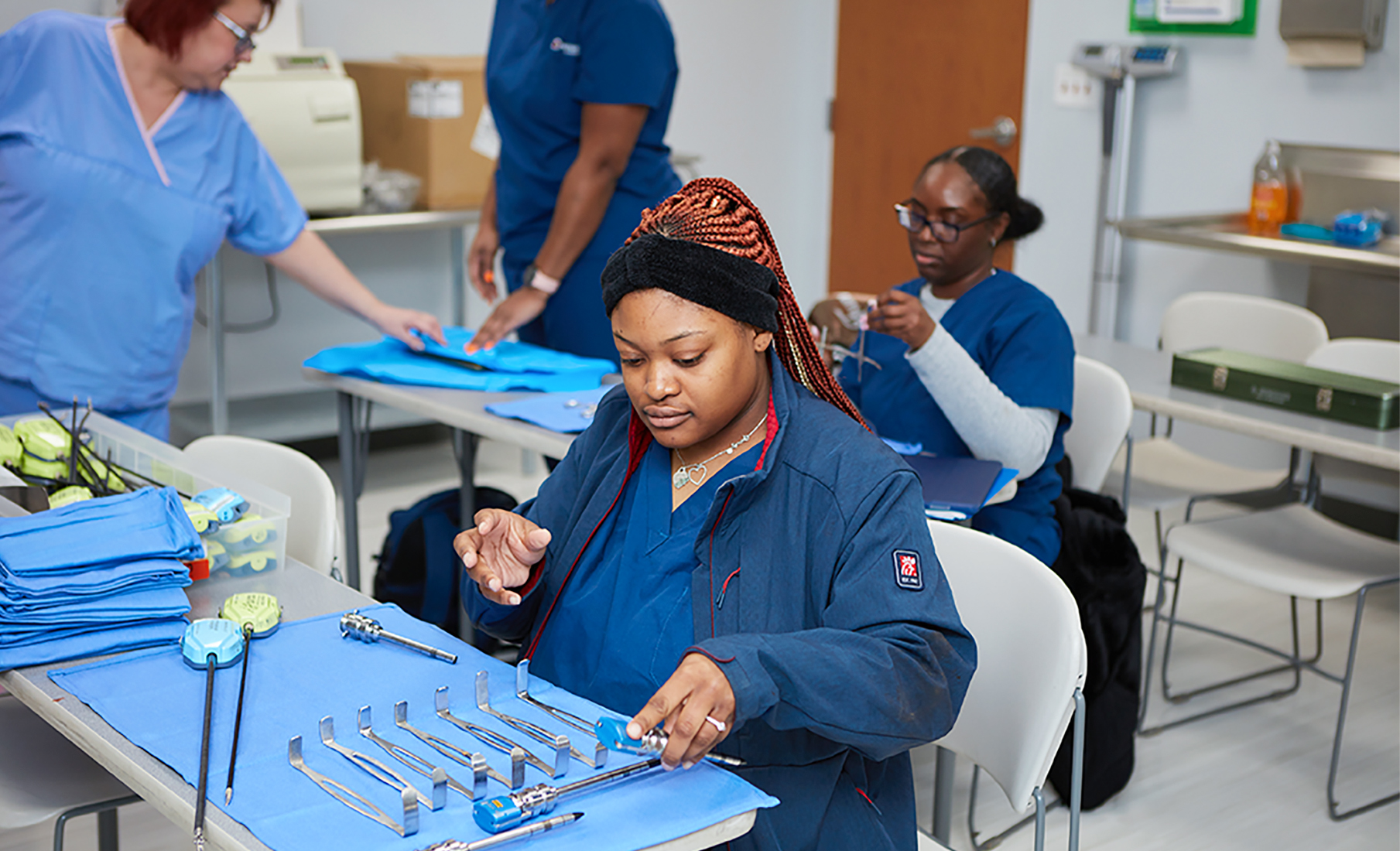
Healthcare is often associated with doctors and nurses, but behind every successful surgical procedure stands a team of professionals whose work rarely makes headlines. One of the most critical yet overlooked roles is that of the Sterile Processing Technician. In recent years, this profession has gained attention as a stable, accessible, and strategically smart entry point into the healthcare industry.
At its core, sterile processing is about patient safety. Sterile Processing Technicians are responsible for cleaning, assembling, sterilizing, and maintaining surgical instruments and medical equipment. Without their work, modern hospitals simply cannot function. This constant demand makes the role less vulnerable to automation or economic downturns compared to many other professions.
One of the biggest advantages of this career path is the relatively low barrier to entry. Unlike nursing or medical school, training for sterile processing technician roles does not require years of higher education or overwhelming tuition costs. Well-structured programs focus on practical skills, infection control principles, medical terminology, and real-world workflows used in hospitals and surgical centers. This allows students to transition into the workforce much faster.
Another important factor is job stability. Hospitals, outpatient clinics, and surgical centers operate every day, regardless of economic cycles. As long as surgeries are performed, sterile processing professionals are needed. This creates consistent employment opportunities across the United States and beyond. For individuals looking for long-term security in healthcare without direct patient care, this role offers a balanced alternative.
Career growth is also worth considering. Many people begin as Sterile Processing Technicians and later move into supervisory, quality assurance, or educator roles. Some use this position as a stepping stone into other healthcare careers, gaining valuable hospital experience along the way. Completing a recognized sterile technician course can open doors not only to employment but also to professional development within the healthcare system.
The work environment itself appeals to many candidates. Sterile Processing Technicians typically work behind the scenes, yet their responsibility level is high. Precision, attention to detail, and accountability are essential. For people who prefer structured processes, clear standards, and meaningful work without constant patient interaction, this role can be an excellent fit.
Finally, the personal satisfaction factor should not be underestimated. Knowing that your work directly prevents infections and protects patients creates a strong sense of purpose. In a healthcare system increasingly focused on safety and quality, sterile processing professionals play a vital role that continues to grow in importance.
In summary, Sterile Processing Technician training represents a smart career move for those seeking stability, rapid entry into healthcare, and long-term growth opportunities. It is a profession built on responsibility, trust, and real impact—qualities that will always be in demand in modern medicine.